
| Restocking Fee | No |
|---|---|
| Return shipping will be paid by | Buyer |
| All returns accepted | Returns Accepted |
| Item must be returned within | 30 Days |
| Refund will be given as | Money Back |
| Brand | Science Company |
| Volume/Quantity | 10g |
| Common Name | Uranine |
| Model | Fluorescein Sodium Salt Powder, 10g |
| MPN | NC-14626 |
| Country/Region of Manufacture | United States |
| Preferred IUPAC Name | 3',6'-dihydroxyspiro[2-benzofuran-3,9'-xanthene]-1-one |
| Intended Use/Discipline | Fluorescent tracer dye |
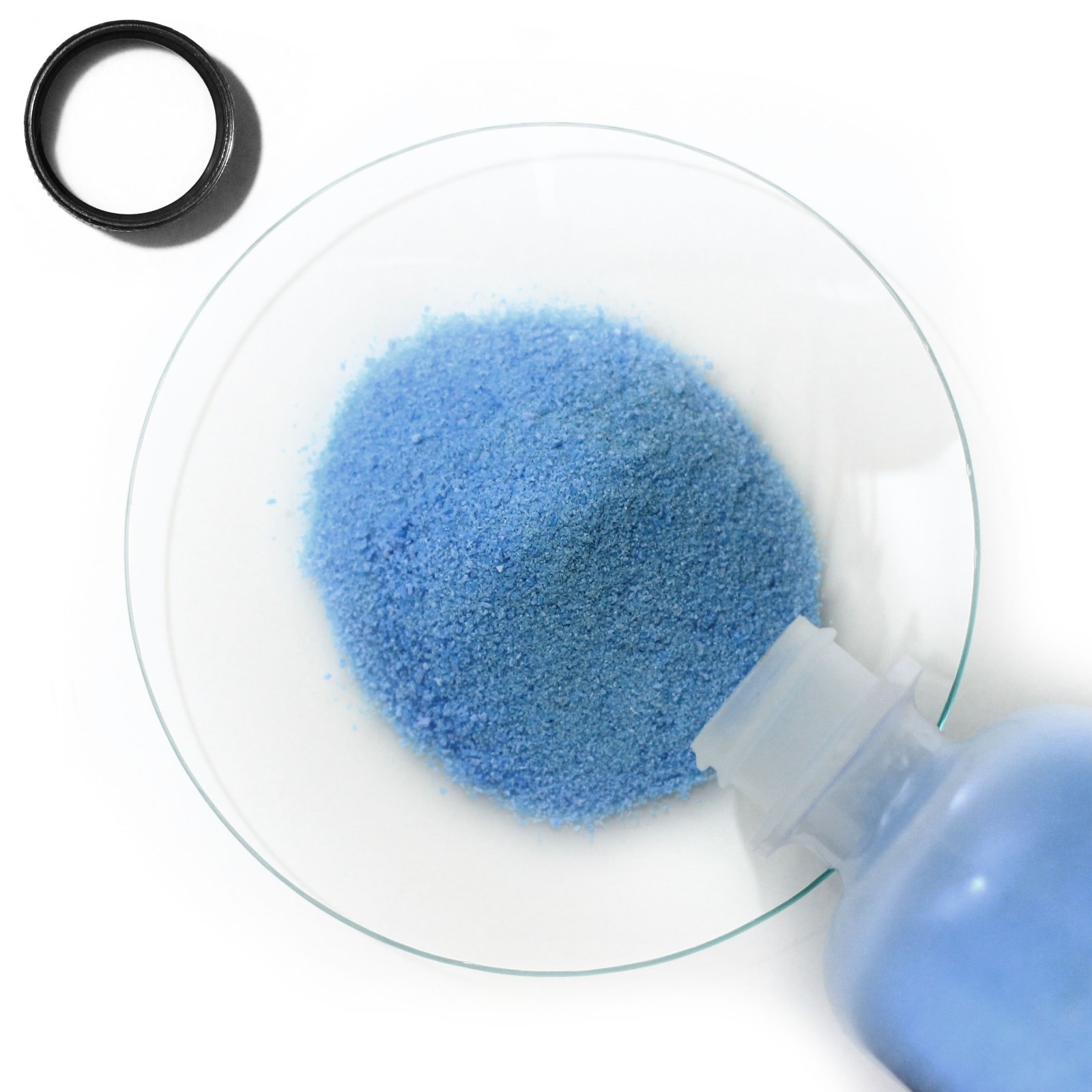
Check the listing for details. Fluorescein Sodium Salt Powder, 10g. Condition: New. Listed at 6.95 USD. Fluorescein sodium salt powder appears as a dark orange/red powder slightly soluble in water and alcohol. When mixed with water, it glows in a bright yellow-green color. The color changes depending on how acidic the water is. Maximum fluorescence occurs at pH 7.4 and decreases rapidly below pH 7.0. You only need a small amount of the powder when mixing it with water, and this 10 gram bottle can color at least 100 gallons of water. It's safe for the environment in such low amounts. Scientists made fluorescein for the first time in 1871, and it's used in special ways because of how it glows under ultraviolet light. Fluorescein is widely used as a tracer dye, especially because of its bright green glow. It's also used to give color to liquids like engine coolant. However, it's not great at resisting fading from light, so it's considered a "fugitive" dye. Applications include: As a medical dye to diagnose blood vessels or into the eye to help detect corneal abrasions.In microscopy to stain biological samples in order to study cell structures and other microscopic organisms.To monitor water pollution in lakes, rivers, and groundwater.To detect and trace leaks in plumbing systems, cooling systems, and other industrial applications.To create glowing, colorful effects in artistic performances or installations.To detect blood stains at crime scenes. It reacts with the iron in hemoglobin, producing a bright fluorescent signal.
You may also like


![Oleic Acid [C18H34O2] 100% Pure GP Grade Liquid in 16 Oz in Two Bottles USA](/image/vAsAAOSwknJX1c49/oleic-acid-c18h34o2-100-pure-gp-grade-liquid-in-16-oz-in-two-bottles-usa.jpg)


